The Push And Pull Of Tactile Sensitivity: Seeking & Avoiding
For tactile-sensitive people, touch is rarely neutral….

Understanding Tactile Sensitivity
If you’re tactile-sensitive, the way you experience touch might affect your day-to-day.
Do you ever suspect clothing manufacturers are secretly out to get you? Like they’re cackling behind the scenes, greenlighting fabrics that feel like plastic sandpaper against your skin?
Or maybe you slide into a friend’s car, and the pleather seat clings to your thighs like a suction cup. You shift, fidget, try to play it cool… but, inside, you’re ready to launch yourself out the passenger door.
Touch sensitivity means tactile sensations land more vividly and emotionally. You notice everything: temperature, weave, weight, even a material’s “energy” or integrity.
You can tell the difference between solid metal and plating, velvet that glides versus velvet that drags, linen that breathes versus polyester that traps heat. You steer clear of most synthetic fabrics — not because you’re picky, but because they genuinely stress you out.
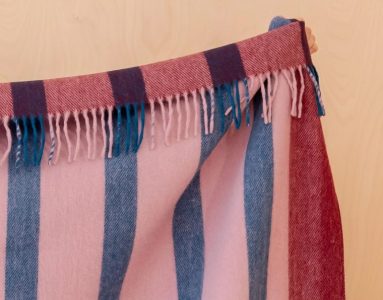
But when a texture is right? It’s a full-body exhale. A perfectly worn-in tee. A wool blanket with heft. A smooth banister under your palm. Dough folding gently as you knead. These small, sensory pleasures can be surprisingly grounding.
Touch sensitivity is common in autism, ADHD, and AuDHD, but anyone can experience it. Once you understand how your body reads the world through texture, you can begin shaping a tactile landscape that actually feels good to live in.

Touch sensitivity arises from how the somatosensory system processes input from skin, muscles, and joints. Many neurodivergent brains take in more detail and filter out less, which makes ordinary sensations feel more intense.
This can show up as:
Touch isn’t just about fingertips. Your whole body registers pressure, temperature, and even the “field” of a room — the echo of laminate floors, the emptiness of hollow walls, or the cling of synthetic upholstery.
Touch routes through brain regions that shape emotion, which is why certain textures feel so charged, and others bring deep comfort in the right conditions.
Life Redesign: Tactile
Shop Tactile…
Recent Tactile Sensitivity Reads

How tactile sensitivity with tags is a neurodivergent’s worst nightmare….

Like the roots of a plant, the beauty of gardening goes much deeper: as we work to improve our gardens, the act of gardening improves our mental and physical health – especially if our brains are wired differently….

If you’re like me, you understand the importance of sunscreen but loathe actually putting it on. These light, gentle, neurodivergent-friendly picks won’t leave you greasy, itchy, or overstimulated….
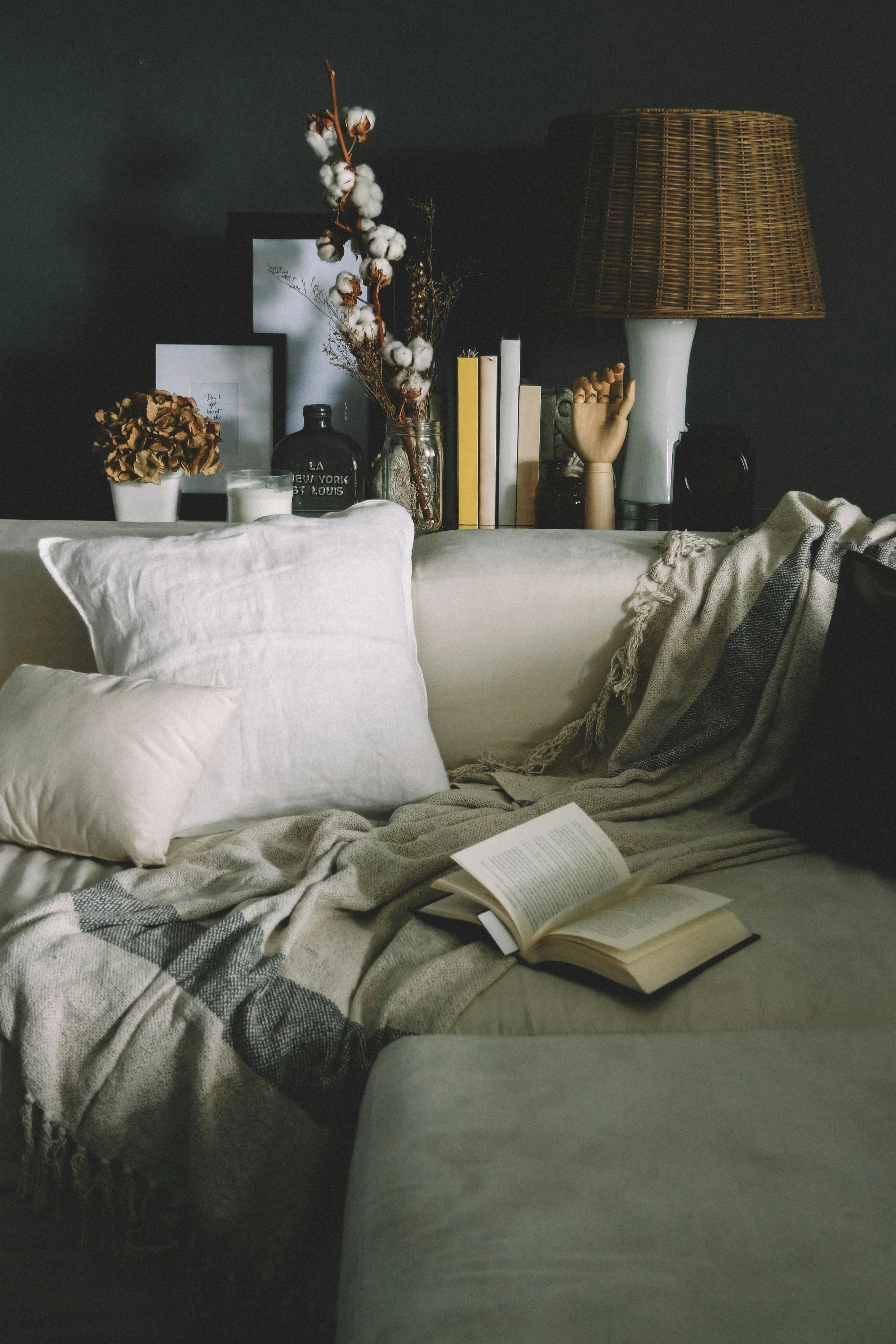
A designated place in your home to help you regenerate, a thoughtfully designed comfy corner is your go-to safe space. You can come here in moments of activation to practice your regulation strategies, like deep breaths, lion roars, or somatic EFT tapping – or just to chill out. After all, the more we practice regulation, the more centered we bec…