
Designing Your Life Through Taste
Once you see your taste patterns clearly, you can start designing around your personal window of yum….

Understanding Taste Sensitivity
If you’re taste-sensitive, eating is never just eating. It’s a whole-mouth experience.
Maybe bland, beige food feels like an insult. You’d rather skip a meal than choke down something mushy and flavorless. A really good bite — salty, sour, crunchy, rich — gives you a full-body yes.
Or maybe it’s the opposite. Everyday tastes land so intensely that you cling to a short list of familiar, “safe” foods. A new sauce, a surprise texture, or the wrong seasoning can flip your stomach and kill your appetite in an instant.
These experiences can look opposite on the surface, but they share a common trait: food affects your nervous system more than others. When it works, eating can feel deeply satisfying. When it doesn’t, it can feel overwhelming, disappointing, or simply not worth it. Taste sensitivity is common in autism and ADHD, but anyone can experience it. The key isn’t forcing yourself to “eat normally,” it’s understanding your taste wiring — and letting your appetite lead.
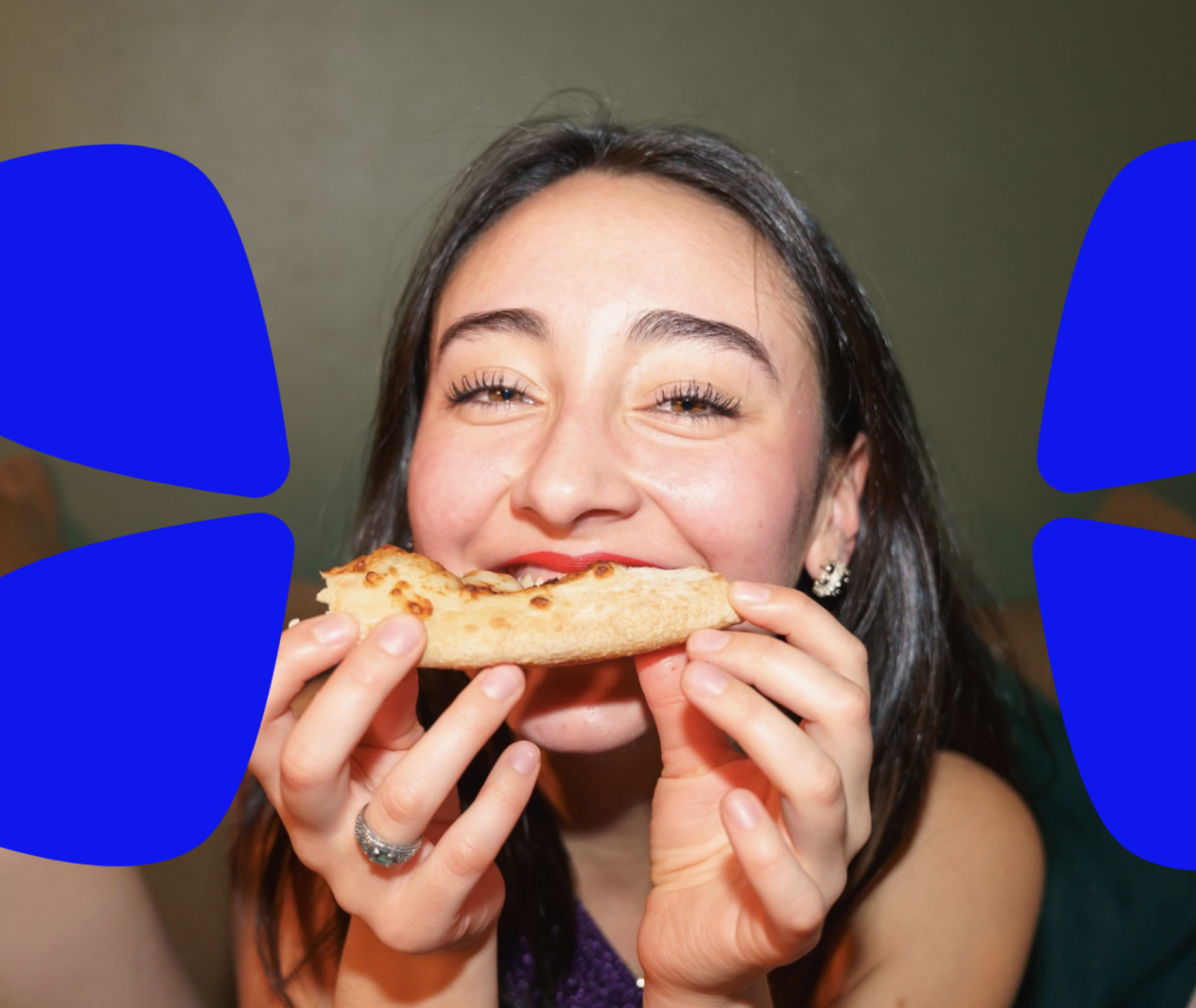
Taste isn’t just about your tongue. Your brain builds flavor by combining taste with texture, smell, temperature, and internal body signals into a single experience. For taste-sensitive people, that signal tends to be processed more intensely or with less filtering. The result is a narrower window of what feels “just right.”
This can look like:
None of this is pickiness. It’s a flavor knob that’s extra sensitive. When conditions are right, eating can be joyful. When they’re not, your system lets you know immediately.
column 1
column 2
column 3
Life Redesign: Taste
Shop By Taste…
Recent Taste Sensitivity Reads

For years, I ate Straus Greek yogurt with crackers every single day—sometimes twice. I wasn’t thinking about it as a “safe” food, just an easy one for a burnt-out chef. When my stomach rebelled and I had to move on, I started realizing how deeply food sensitivities and repetitive eating patterns are tied to neurodivergence. Now, as a chef and n…

Where you work matters just as much as what you do….

Your phenotype can tell you more about how to build a thriving life than your diagnosis. Here’s why. Your phenotype can tell you more about how to build a thriving life than your diagnosis. Here’s why. Your phenotype can tell you more about how to build a thriving life than your diagnosis. Here’s why….