
BY MEGAN LOONEY
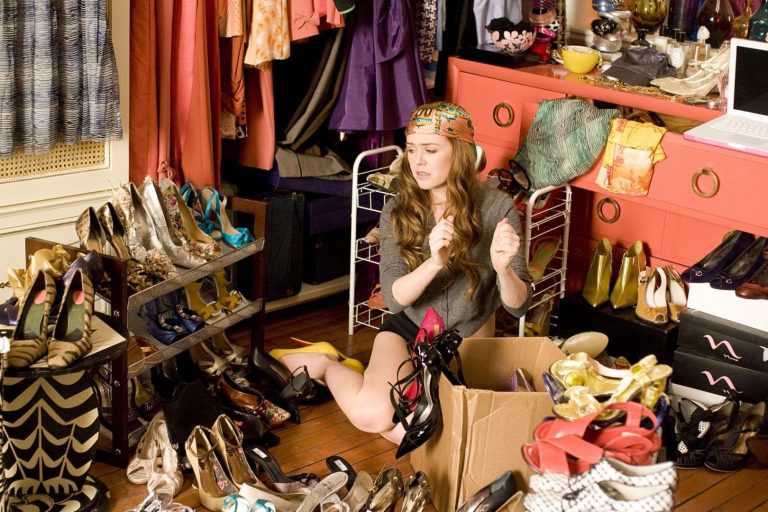
There I am, standing in line with 3 nearly maxed-out credit cards and hands full of glossy bags, the mall a constant drip of dopamine between the too-bright “BLACK FRIDAY” banners and Mariah Carey on an endless loop. Every store window screams SALE! LIMITED TIME ONLY! And who am I to say no?
I tell myself I’m just picking up a few gifts, but then, as if in a daze, I somehow find myself buying more clothes that I don’t need because they were on sale (which obviously means I’m saving money, right?). The rush of the online “Order Now” button feels just as electric.
Nowhere feels safe for me as an ADHD girlie on a budget during the holiday season.
The sweet, sweet combination of executive-function chaos, dopamine-hunting behavior, impulsivity, and rejection-sensitive dysphoria creates an internal landscape ripe for overspending. ADHD brains are wired for instant gratification and dread delayed gratification, meaning feel-good decisions often come first… and consequences, much later.
I know the feeling of locking onto something I have to buy right now. My brain zeroes in, hyper-focused and obsessive. Logic goes offline, and all I can think about is getting the thing. Buying it isn’t just about wanting it; it’s about quieting the internal noise and getting relief from the tension of wanting.
And during the holidays, when gift-giving comes wrapped in (unspoken) expectation and the desire to be liked, it amplifies the urgency — transforming what should be generosity into an emotional performance where spending becomes a stand-in for connection. There’s the list of people I need to buy for, the phantom guilt of someone giving me a gift when I didn’t get them one, and the secret thrill of being the most thoughtful giver in the room.
But after enough shame-induced spending hangovers, I’ve started to learn how to dodge the ADHD tax without feeling like I’m white-knuckling my way through December.
What’s Helped Me (And Could Help You)
For years, I tried to shame myself into better spending habits — and it never worked. The harder I judged myself, the more I avoided looking at my finances. It wasn’t until I started approaching my habits with curiosity and compassion that real change began. Shame shuts us down; compassion invites us to learn.
I learned that impulsivity, time blindness, and emotional decision-making aren’t moral failings — they’re wiring differences. Guardian Money reports that people with ADHD are 4 times more likely to impulse-spend, 3 times more likely to struggle with debt, and twice as likely to experience money-related anxiety than neurotypical peers.
But that doesn’t mean we can’t build new skills that work with our brains instead of against them. The key is creating structure that feels supportive, not punitive — boundaries that calm the nervous system rather than trigger rebellion.
I don’t pretend I’ve mastered restraint, but these practices have softened the edges of my impulse and helped me move through December with more groundedness.
1. Gift Intention Over Splurge
I used to think the bigger the gift, the bigger the love. When I slowed down enough to notice the difference between proving love and showing love, everything changed. Overspending can often become a way to perform affection and soothe anxious attachments. Now, I try to ask: What would make this person feel seen, known, and valued? Sometimes that’s a small, intentional gift. Sometimes it’s presence, time, or a handwritten note. That’s love, too.
2. Delay The Click (My Favorite Trick)
When I see things I feel like I need to have, I put them in a wish list or cart, then set a timer (24 hours minimum). If I still want them later, I re-evaluate after the surge of dopamine cools and clarity returns.
3. Check Mood Before Spending
Low energy, high emotion, or overstimulation? That’s my no-buy zone. I soothe first, shop later.
4. Budget By Vibes And Numbers
I know, I know… budgets are sooooooooo boring. Spreadsheets don’t exactly scream festive, but they do save future-me a ton of stress. During the holiday season, I set a total spending limit for gifts, then overestimate what I’ll need for parties and outings (seriously, add at least 50%). I also carve out a “treat yo’ self” fund. That way, I don’t rebel against my own rules and can satisfy the occasional guilt-free impulse.
And because surprises always happen, I build in a shame-free buffer — about 25% of my total holiday budget — for unplanned (read: forgotten) gift exchanges or the freedom to say yes to an impromptu event. It’s my way of honoring both structure and spontaneity. Planning for joy makes discipline feel less like punishment and more like self-trust.
(P.S. I’ve tried all the techy budgeting apps and found that a good ‘ol fashioned Excel spreadsheet works best.)
6. Preemptive Strategies
Create friction to make impulsive spending a little harder:
- Leave credit cards at home (or remove them from Apple Wallet)
- Plan zero-spend days
- Communicate clear gift expectations early (e.g., “Let’s do experiences, not expensive stuff”)
- Reserve some money to spend on you
7. Calm Overstimulation
Ads, flashing banners, and 1-day deals are all engineered to hijack your nervous system… and ADHD brains are especially sensitive to that kind of stimulation. So slow down, breathe, and remember that the “deal” likely isn’t as lucrative as it looks (especially if it’s going on a credit card with 20% interest).
The holidays can feel a bit overwhelming for everyone, but for those of us with ADHD, the shopping season can feel like the Olympics of self-control. But when I stopped striving for perfection and started anticipating my triggers — and meeting myself with compassion instead of criticism — everything got easier and more fun.
Mix in a little self-trust, intentionality, and humor, and you might just find yourself — and your bank account — on the Nice List this year.







Your email address will not be published. Required fields are marked with *