Going back to college — or going to college for the first time — is full of excitement and novelty, and at times, dread, anxiety, and uncertainty. There’s a lot to juggle between socializing, classes, studying, extracurriculars, and maybe even living on your own for the first time.
When I first went to college, I was completely overwhelmed by the new environments, routines, and people. With each year, I found ways to adapt my routines and environments to work better for me, and I was lucky enough to find my people — friends who understood me for me.
We’ve rounded up some of our favorite tips, tricks, and hacks for making the transition back to college a bit easier, from organizing your desk to fuel your study routine to the weekly resets that helped us feel grounded.
Designate Special “Focus Spots” Around Campus
When I was in college, I had a specific corner of the library where I would go when I needed to dive into a reading for a class. I had another corner where I’d go when I was studying flashcards for a Spanish exam, and another for researching for a paper. I had a go-to room at my Honors College where I liked to take notes ahead of lectures, and I’d always go to the Milwaukee lakefront in my car to write essays that I was stuck on. Without even fully consciously knowing it at the time, I was designating different focus spots across campus that I associated with different tasks. It helped signal to my brain that when I sit down in this spot, I am working on this task, and it really helped me to get my work done.
Design Your Study Setup
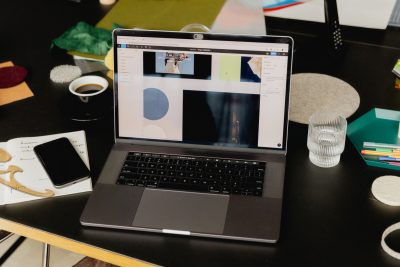
Your desk can either energize or drain you, and it’s all in how you set it up. Think about the view you’re looking at (try putting your desk by the window, if possible), where you place your objects of affection that stimulate you, or create a dopamine drawer. I loved hanging postcards from my friends at other colleges, notes from my mom and sister, and inspirational quotes where I could see them, so when I’d look up from my computer I’d have a little dose of joy to look at.
Read more about designing your desk for your neurodivergent mind here.
Find A Study Buddy
Body doubling is immensely helpful for many neurodivergent folks. I did this before I even knew the word for body doubling. When I knew I needed to get something done, I’d often ask my friends if they wanted to study together. We’d chat for a bit, but then we’d lock in, headphones on, and highlighters out.
Take The Scenic Route
It’s easy to go from class to class to your dorm to work without really stopping to take a moment. I tried to take the scenic route across campus at least once a day to appreciate the trees, the fountain, or the beautiful buildings and have a moment of mindfulness among the chaos.
Designate A Reset Day
I often pushed a lot of my executive functioning tasks like cleaning, laundry, and cooking to the side when I had a lot of studying to do, so I designated every Sunday to getting caught up on everything that needed to be done. I would put my laundry in and use the time increments of each cycle to do other tasks: 45-minutes to do dishes and vacuum, 45-minutes to tidy up my room, 45-minutes to cook a big meal that I could eat for dinner several days in a row. By the end of the day, I’d feel ready to tackle the new week and have time to rest before it began.
Lean On Your Crew
College is the perfect place to find your people because it’s literally built around connecting people. The dorms are one of the only times you’ll likely live in communal living, so meet your roommates, your suite mates, your neighbors. Many colleges host events for meeting other students, so maybe attend one of those and meet some people there. If you’re not into socializing, tag along with your roommate or suite mate and meet their friends. Or join a club around your special interest! You’ll be surprised how many other people are into the same things as you. Once you find your people, don’t be afraid to lean on them when you need it most. And don’t forget to be there for them too!
Give Yourself Grace – And Naps!
If I could go back in time and tell my college self — a stressed, undiagnosed AuDHD girly with a packed schedule and limited free time — one thing, I’d tell her to give herself some grace. And to let herself take the naps she so desperately needed. At the end of the day, burning out makes it all 10 times harder, so take the time to rest, regulate, and re-energize ahead of time so you don’t even get to the point of burnout.