Designing Your Life Through Smell
You can tap into smell to help you thrive — at work, at home, and everywhere in between….

Understanding Scent Sensitivity
If you are someone with scent sensory sensitivity, smell might affect your daily life more than you probably realize.
You’re driving to the beach, windows down, sun doing that perfect golden-hour glow. And then — bam — a belch of tailpipe exhaust floods the cabin. Instant headache. You slam the windows shut, wondering how something so small can spoil your mood so fast.
Or you open a delivery from your favorite store, pull out the blanket you were excited about, and a whiff of plastic smacks you in the face. Back in the box it goes.
For scent-sensitive people, offensive smells feel like an assault. Strong perfume in a meeting, harsh cleaning sprays, or that synthetic “new furniture” smell can set off the body’s defense system in an instant. That surge of protection takes energy, which is why you’re left tired, irritable, or suddenly depleted.
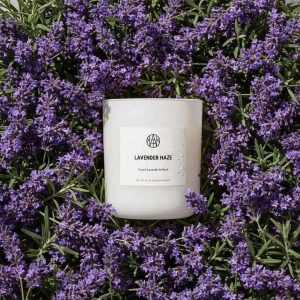
Yet the same sensitivity can make the world exquisite: the wet, earthy smell after rain, coffee brewing in the morning, jasmine on a warm night, a favorite candle that makes your shoulders drop two inches. Smell can be pure joy.Smell sensitivity is common in autism, ADHD, and OCD, and can also intensify during hormonal changes, but anyone can experience it. The good news? Once you start listening to your nose, it can lead you to balance, creativity, and everyday delight.

Smell has a direct line to the brain’s emotional center. When you breathe in, scent molecules travel straight from your nose to the parts of the brain that handle memory, emotion, and stress response.
For many neurodivergent people, this pathway is simply more sensitive. That’s why smells can feel:
Because neurodivergent brains often process scent more intensely and don’t filter ongoing odors as easily, smells can bring deeper pleasure or stronger discomfort — sometimes both at once.
Life Redesign: Scent
You can tap into smell to help you thrive — at work, at home, and everywhere in between….
Shop Scent
Recent Scent Sensitivity Reads

For neurodivergent travelers, sleep challenges aren’t just about being “light sleepers” or picky about the kind of bed we sleep in….

If you’re like me, you understand the importance of sunscreen but loathe actually putting it on. These light, gentle, neurodivergent-friendly picks won’t leave you greasy, itchy, or overstimulated….

Air travel can be tough for anyone, but even more so for people with sensory sensitivities. Luckily, airports are starting to take notice. More and more are designing spaces meant to soothe the senses. Here are a few that stood out to us….