
The Push And Pull Of Visual Sensitivity: Seeking And Avoiding
Sight-sensitivity isn’t static. Most of us shift between craving and avoiding visual stimulation throughout the day….

Understanding Sight Sensitivity
If you’re sight sensitive, what you see shapes your mood, focus, and energy more than you probably realize.
Picture yourself in a café. The barista steaming milk, patrons chatting, the waiter clearing plates, light glinting off glass. Your eyes take it all in, even as you try to focus on the person in front of you. You keep saying, “Sorry, what?” and leave feeling guilty you couldn’t hold a simple conversation.
Other days, the opposite is true. You’re in a greige office or waiting room, with nothing for your eyes to land on. Suddenly, your brain feels half asleep, and you’re kicking yourself for zoning out… again!
For those of us with sight sensitivity, visual extremes throw our system off — too much overwhelms, too little depletes. So how do we find balance without dimming our perception or shrinking our world? Sight sensitivity is common in autism, ADHD, dyslexia, and dyspraxia, but anyone can experience it. The key isn’t to tune out what you see, but to understand your visual wiring —and how to work with it.

Sight sensitivity (or visual sensitivity) is one of the most common sensory traits in neurodivergent individuals, affecting up to 80% of people with autism and showing up in nearly all neurotypes.
Your visual system is easily enriched, depleted, or overloaded — and often swinging between two states:
In the right conditions, though, sight sensitivity is a gift. You likely see patterns, beauty, and detail that others miss. How this sensitivity plays out day-to-day depends on your energy and environment.
Life Redesign: Sight
Sight-sensitivity isn’t static. Most of us shift between craving and avoiding visual stimulation throughout the day….
Shop Vizzy Stims…
Recent Sight Sensitivity Reads
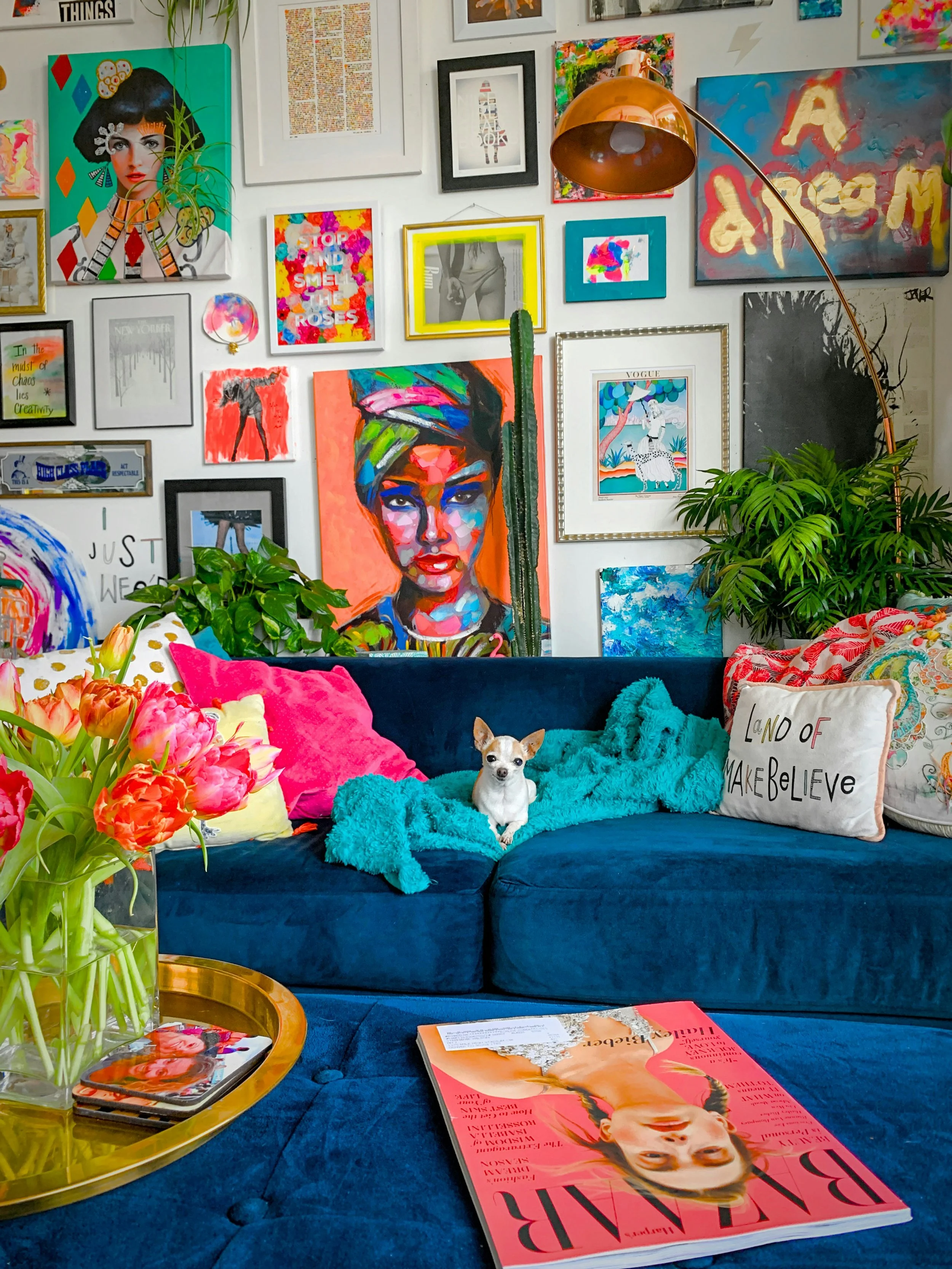
Despite being on a tight budget, I always managed to unearth ultra-affordable art, ephemera, and images at flea markets and estate sales, along with plenty of secondhand frames. Piece by piece, I strategically hung my latest finds until eventually, all 400 square feet of wall space was completely covered in art, photographs, and memorabilia. &…

For some, a manicure is a luxury. For me, it’s a lifeline — a ritual of regulation, a splash of color, and a tiny act of rebellion against “normal.”…

There’s a critical neurodivergent angle to dopamine dressing that goes beyond “wear bright, happy clothes.”…