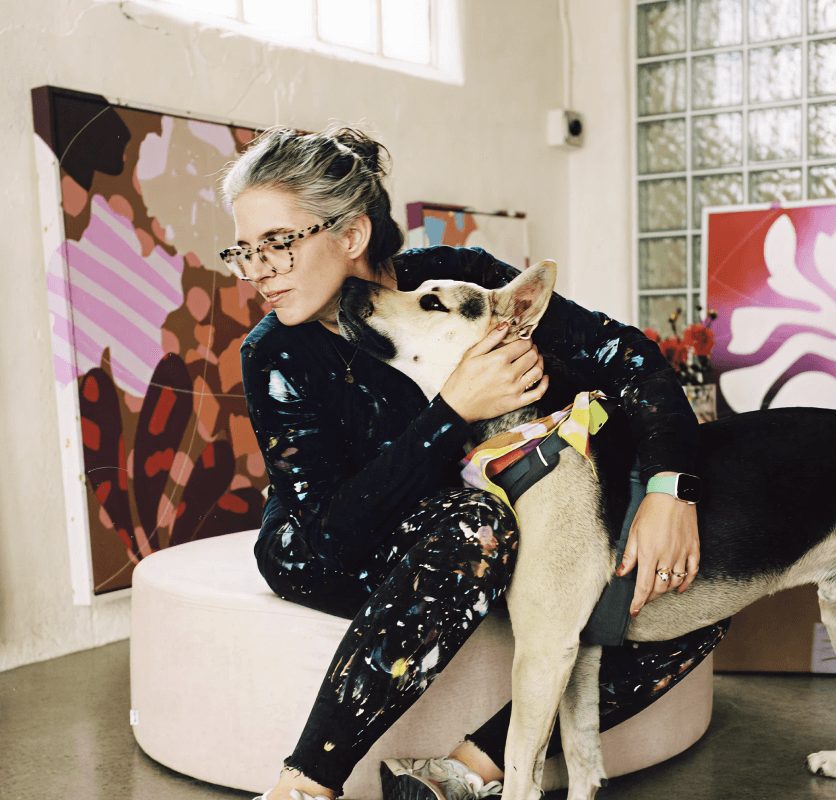
We’ve seen what Hollywood can get wrong about neurodivergence. But sometimes, they get it right. Such is the case with Dr. Mel King in The Pitt. The character is an example of what it can look like when real life autistic folks – in this case, a study of 225 autistic doctors co-authored by Dr. Wendy Ross – are consulted to bring them to life. We interviewed Dr. Ross about how Dr. King’s character came to be and what this means for neurodivergent representation on TV.
In 2024, Dr. Wendy Ross hopped on a call with a couple of entertainment industry folk seeking her insight for a new TV show because of a study she co-authored a year prior on the experience of autistic doctors — particularly what that might look like for an emergency medicine physician. Two years, 5 Primetime Emmy, 2 Golden Globe, 3 Critic’s Choice, and a SAG and Peabody Award later, that show is The Pitt.
“They did not want a representation like The Good Doctor, where it was like a savant.” Dr. Ross, the director of Jefferson Center for Autism and Neurodiversity told Motley Bloom. “I was really impressed by the sincerity and authenticity, so I talked to them, and they used everything I said.”
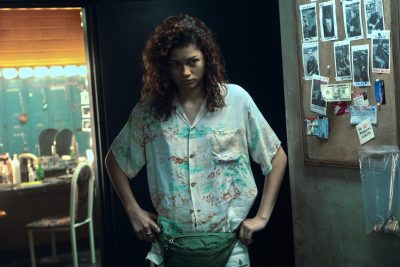
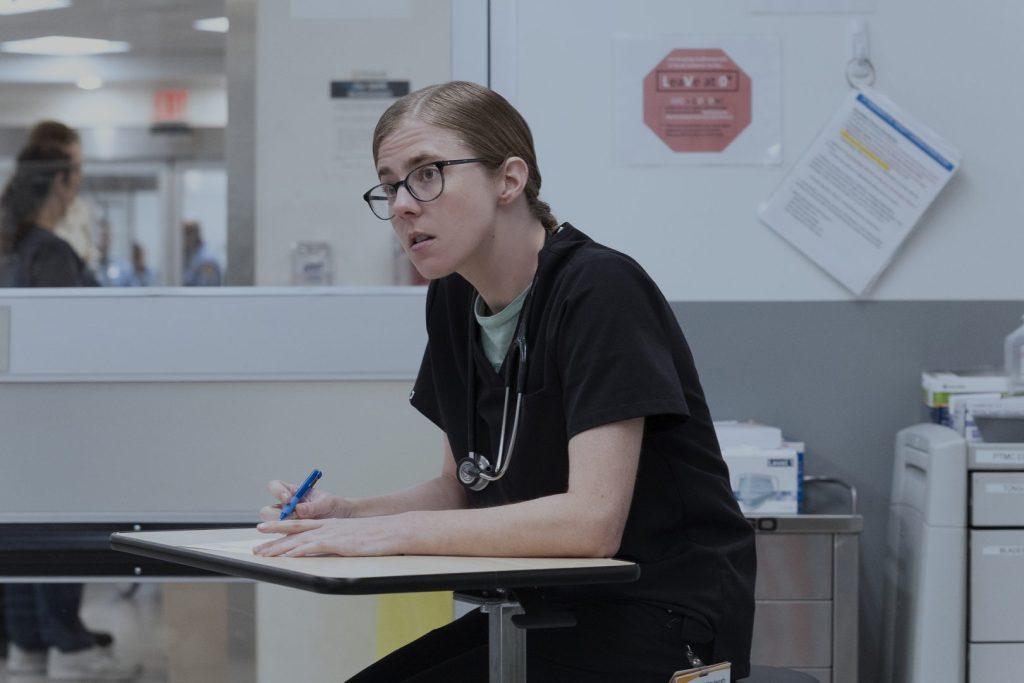
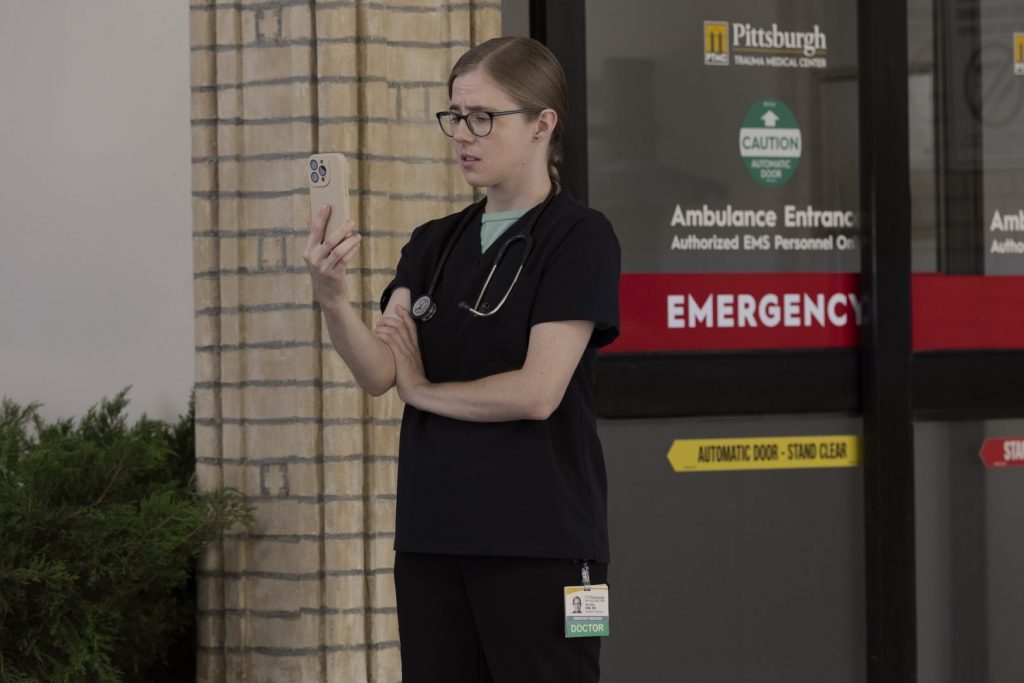
Thus Dr. Mel King was born — the show’s neurodivergent character, played by a neurodivergent actress and inspired by the true neurodivergent experience. The fact that the character is an autistic woman was particularly exciting to Dr. Ross — a demographic she described as a “special interest of [hers].”
Usually diagnosed much later in life and, in turn, underdiagnosed, the character’s neurodivergence, like many women in real-life, is subtle: a little bit of stimming here, some methodical habits there, the occasional missed social cue, topped with a much clearer, more natural understanding of neurodivergent patients than her neurotypical counterparts.
“One other thing that’s really special about her representation is that she’s just sort of accepted, which is nice.” Dr. Ross said. “It kind of models a more appropriate response to somebody who might just seem a little quirky, right?”
A year before director Noah Wyle unexpectedly reached out to Dr. Ross had co-authored a study on what autism actually looks like inside hospitals. Her research on autistic physicians challenged the popular “medical savant” stereotype, finding instead that neurodivergent doctors exist across specialties, often quietly navigating pressure to mask or avoid disclosure on the job.
Dr. Ross and her colleagues found that while people on the spectrum are drawn to all kinds of careers, hospitals have certainly employed their fair share of neurodivergent physicians… Almost certainly, far more than they realize.
Of 225 autistic doctors surveyed, 80% said they’ve worked with another doctor they suspected were on the spectrum, but only 22% had worked with one they knew were.
And that silence can be lonely, especially if it feels necessary.
The study also found that 77% of those autistic doctors had considered suicide, while 24% had attempted it — tragic figures that Dr. Ross primarily attributes to the neurotypical pressures and expectations of the hospital. For instance, the hidden costs of masking.
“It’s hard enough to be a doctor for, let’s say, a 15-hour shift,” she said. “But then on top of that, you’re sort of acting. And it’s extremely depleting. It’s exhausting.”
On top of the unspoken rules of socializing, there’s the oftentimes overwhelming sensory environment — bright lights, chronically-beeping machinery, strong scents — and a lot of reasons a neurodivergent medical physician might need an on-site confidant.
“I think even if you have one person that you can disclose to, that’d be helpful,” Dr. Ross said. “One trusted person that could probably be productive [and] protective.”
She also reinforced the importance of being those things for yourself, giving yourself grace and knowing how best to flourish when trying to live within difficult confines — taking what she called “sensory breaks.”
“That might be getting some fresh air outside,” Dr. Ross said. “That might be having a fidget in your pocket or built into your clothing. That could be just going to a quiet spot outside.”
Perhaps these are temporary solutions — just long enough for the world to catch up, like at Jefferson Center for Autism and Neurodiversity, where Dr. Ross and her team emphasize the physical design. Their healthcare center features immersive, light-based art, special furniture, and special semi-enclosed areas where patients, their families, and clinicians can take breaks.
“I think more and more, we’re going to see built-environments that are accommodating of people,” Dr. Ross said. “And as well, I think it’s really important for everybody because, you know, a ramp was created for wheelchairs but benefits other people with mobility issues. And taking a sensory break is helpful for everybody.”
Ultimately, when stories reach everyone — like through hit medical dramas — getting neurodivergent representation right can save the lives of the people saving yours.
“I don’t know if you’ve ever had a really bad day when bad things just happened, and nobody could really fix those things, but if they were nice to you, it [could] make such a big difference,” Dr. Ross said. “I think that’s the way we’re training all of our medical students, residents [and] doctors in training, to be with patients. And I also think it’s how we need to be with each other.”