1

Learn Your Sensory Traits Map

Neurodivergence looks different for everyone. At Motley Bloom, we look beyond labels to understand the traits that make your experience of the world uniquely yours.

Whether you’re exploring life after a diagnosis or simply curious about how you’re wired, our Traits Quizzes help you get to know the patterns that make you, you.

What is Trait Mapping?

Your traits, in context

  • Every trait lives in relationship with an environment. The same sound that energizes one person drains another. The coffee shop that feels inspiring on Monday can be too much by Friday. Trait mapping looks at those relationships: how your unique traits match the people and places you move through every day.
    We call this the first ecosystem. Your trait map shows where each trait tends to seek more input and where it pulls back, so you can see which environments help you thrive and which ones you’ve only been adapting to. It starts with your senses, and it’s built to help you live in alignment rather than resistance.
Frame 31

Artifacts

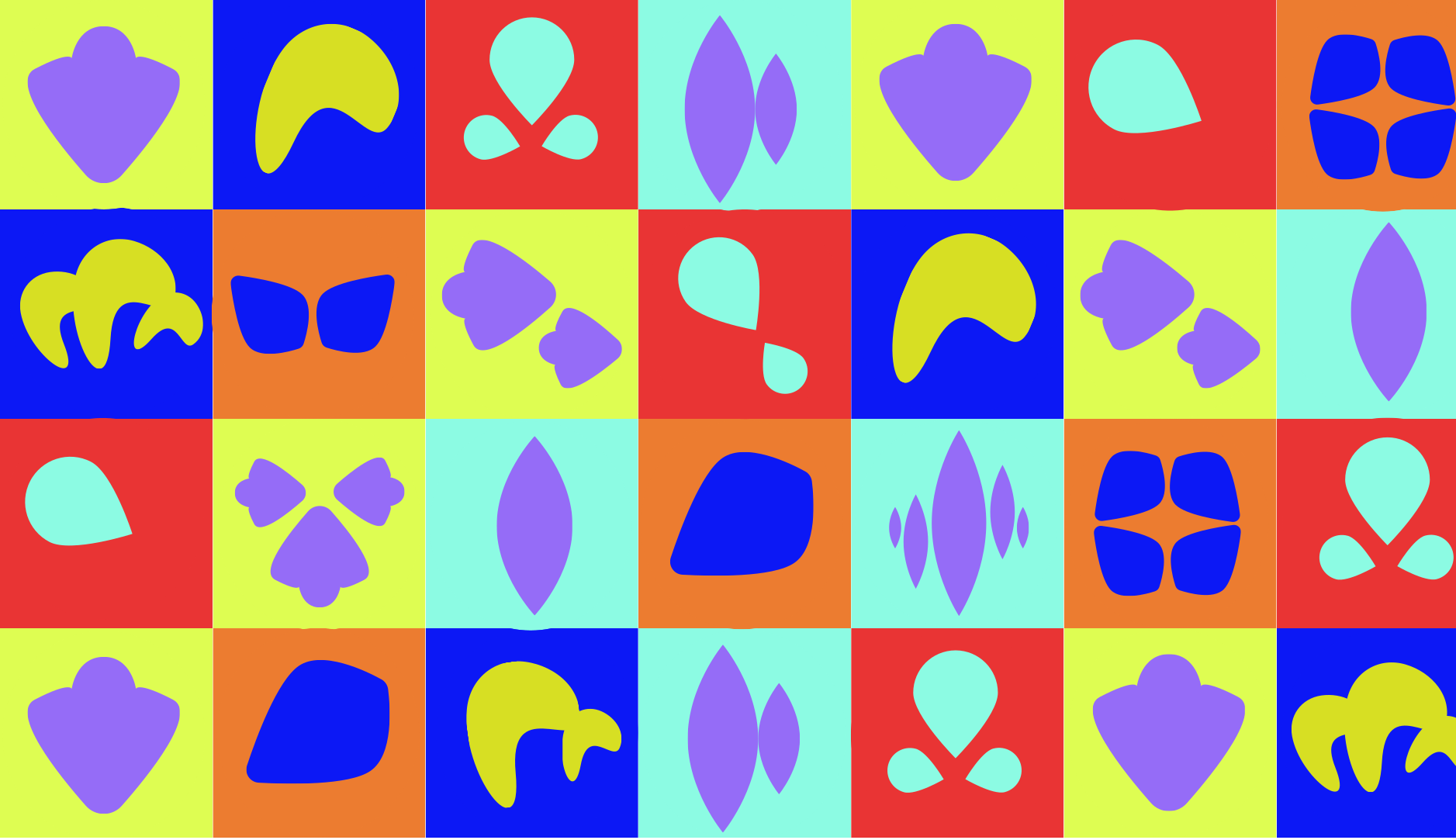
For many of us, thinking and communicating don’t always happen in straight lines or spoken words. We may not always get our words out in a way others understand, but some of us understand and express ideas best through color, shape, and pattern. So that’s how we map traits.
Each of the five senses: sound, sight, touch, taste, and smell, has its own artifact, and each artifact reflects how strongly that trait influences you. A sense that stays in the background appears as a simple, essential form. The more a sense shapes your experience, the more intricate its artifact becomes, gaining layers, edges, and detail. No level is better than another. Together, your five artifacts form a portrait of how you notice, feel, and remember.

strong

Strong

A trait that scores in the strong range, has a significant influence on your experiences and behavior. Its artifact appears in its fullest, most intricate form, with many layers, due to the complexity of its expression.
moderate

Moderate

When a trait scores in the moderate range, it has a noticeable influence on your experiences and behavior. Its artifact gains layers, edges, and detail to reflect that.
low

Low

A low trait score, has little influence on your experiences or behavior. Its artifact appears as a simple, foundational form: present and steady, but not asking for attention.
7

Sensory Traits

1

Taste Sensitivity

4

Sight Sensitivity

2

Touch Sensitivity

3

Sound Sensitivity

5

Scent Sensitivity

Insights for Daily Living

What’s In My Bag: Everyday Edition image

What’s In My Bag: Everyday Edition

IYKYK: There are some things you can’t leave the house with. And it varies from person to person. Here’s what our team keeps in our bags….

Our Neurodivergent Mealtime Secrets image

Our Neurodivergent Mealtime Secrets

Here are a few ways to design your mealtimes to work for you, leaving shame out of it altogether….

Read More…

How a Daily Dip In The Lake Became My Regulation Practice image

How a Daily Dip In The Lake Became My Regulation Practice

As someone with ADHD, I’ve spent years trying to quiet my busy mind. Cold plunges in the lake help….

How To Design A Wardrobe You Truly Love image

How To Design A Wardrobe You Truly Love

When you’re neurodivergent, designing a wardrobe you love isn’t just about style….

6 Colorful Clothing Brands For Vizzy Stimming image

6 Colorful Clothing Brands For Vizzy Stimming

These are some of our favorite colorful and pattern-ful clothing brands for building a wardrobe that’s ideal for vizzy stimming every day….


6 Tips For Designing a Stimulating Neurodivergent Workspace image

6 Tips For Designing a Stimulating Neurodivergent Workspace

Here’s how I set up my work-from-home desk so it works with me, not against me….